


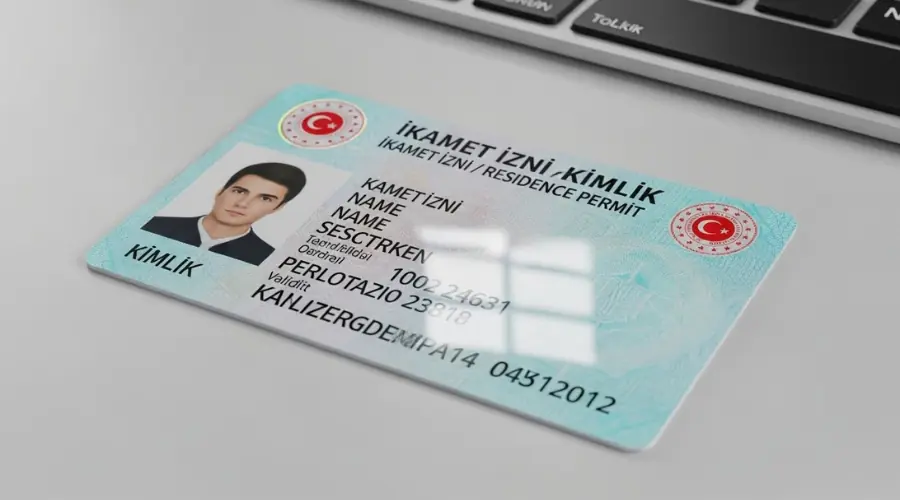
Obtaining residency in Turkey, which was once a simple and almost guaranteed administrative routine, has now become a legal, elective, and highly meticulous process as we enter 2026. In this context, the word every immigrant encounters from the moment of arrival is "Kimlik." The Kimlik is essentially a temporary residence card that allows you to live, study, or work legally in the country beyond the 90-day visa-exempt period provided for many foreign citizens.
A vital point is that Turkey's residency documents now have structural differences and require different evidentiary documents depending on whether your request is for tourism, or if you intend to apply through education, marriage, work, or real estate purchase. Furthermore, the cost of the Turkish Kimlik in 2026 has seen a significant jump due to annual re-evaluation rate changes and economic inflation, which we will discuss in detail in this article.
What is a Kimlik Card and Why is it Vital?
The Kimlik card, or "Residency Booklet," is a biometric smart identification card featuring a unique foreign identification number, usually starting with 99. This card is more than just a simple residence permit; it is effectively your key to legal life in Turkey. You need a Kimlik for any legal activity, including the following:
- Banking Services: Opening a bank account and obtaining international credit cards.
- Education: Enrolling children in public or private schools in Turkey.
- Utility Services: Purchasing and registering subscriptions for water, electricity, gas, and home internet.
- Health and Transportation: Receiving medical services in hospitals and legally purchasing a car or property.
According to the new 2026 regulations, having incomplete documents or providing incorrect information during the "Randevu" (interview) can no longer be rectified with a "missing document notice." In most cases, it leads to the immediate rejection of the application and the issuance of a deportation notice (order to leave the country).
The Golden Checklist of Required Documents for Turkish Kimlik
To avoid stress and problems on the day of the interview (Randevu), you must prepare your file (the pink folder) according to this precise categorization.
A. Identification and Identity Documents
These documents are the foundation of your file, and the slightest discrepancy in them will lead to the failure of the process:
- Original Passport and Copies of Pages: You must have copies of the information page, the page with the latest entry stamp to Turkey, and the expiration date page. Very Important: Your passport must be valid for at least 60 days beyond the duration of residency you have requested.
- Tax ID Number (Vergi Numarası): Obtaining this code is your first bureaucratic step. Without a tax ID, you will not be able to pay any government fees. You can obtain this code online and for free from the Turkish Revenue Administration system.
- 4 Biometric Photos: According to international ICAO standards, photos must have a completely white background, be unretouched, and taken within the last 6 months. Old photos already in the immigration system or those that differ from your current appearance will result in rejection.
B. Proof of Residence
Address verification has become the most sensitive stage in 2026, as the Turkish government is strictly fighting against "fake addresses":
- Notarized Rental Agreement: Your lease agreement must be registered and verified at a Notary Public (Noter). According to new laws, the physical presence of the landlord at the notary office or a formal power of attorney from them is mandatory to confirm the contract.
- Numarataj Document: This is a document obtained from the local municipality. Numarataj confirms that the property is registered in the National Address Database (UAVT) and is designated for residential use.
- Address Registration (for Renewals): If you intend to renew your Kimlik, providing proof of address registration obtained from the e-Devlet system or the Civil Registry (Nüfus) is mandatory to prove your previous residence.
C. Health Insurance and Randevu Form
- Valid Health Insurance: Having insurance is mandatory for all individuals aged 18 to 65. In 2026, the coverage limits for private insurance have increased according to new circulars. Your policy must contain the phrase: "Compliant with the 2026 circular for obtaining residence."
- Printed Randevu Form: After completing the application on the official website e-ikamet.goc.gov.tr, you must print the final form in color and sign all pages. Ensure your signature matches the one in your passport.
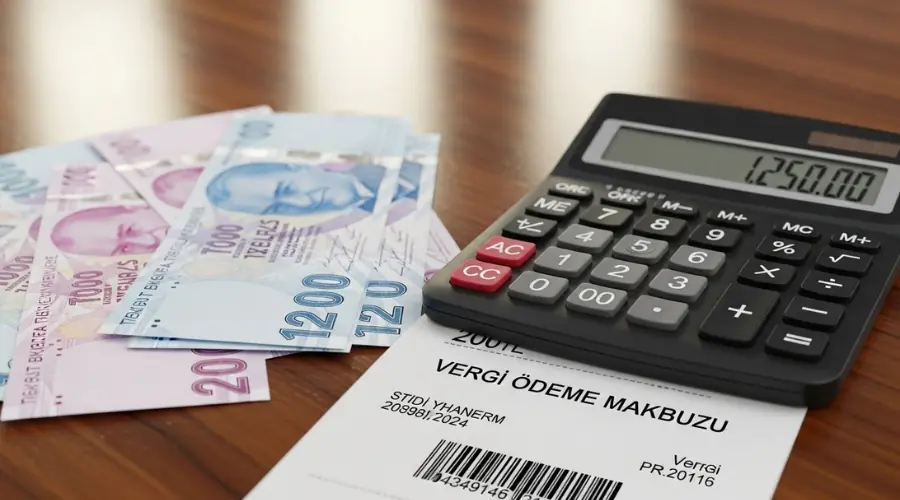
Review of Government Fees and Single Entry Visa Fees in 2026
Accurate understanding of the Kimlik cost is vital for your migration budgeting. Costs include a combination of direct taxes and administrative fees.
A. Table of Turkey Kimlik Fees 2026
| Type of Fee | Approx. Amount (Turkish Lira) | Description |
|---|---|---|
| Card Issuance Fee (Değerli Kağıt) | 810 TL + New Rate | Fee for the physical printing of the card, mandatory for all ages. |
| Residency Tax (İkamet Harcı) | Approx. 3,500 to 4,000 TL | Calculated based on $80 and charged at the current Lira exchange rate in 2026. |
| Single Entry Visa Fee (Vize Harcı) | Approx. 8,500 to 9,500 TL | Applies to citizens who enter without a visa and are applying for the first time. |
| Health Insurance (1 Year) | 4,500 to 17,000 TL | Depending on the applicant's age (the 56-65 age bracket is the most expensive). |
| Notary and Translation Fees | 1,500 to 2,500 TL | Cost for lease verification and official passport translation at the notary. |
B. What is the Single Entry Visa Fee and How is it Calculated?
The "Vize Harcı" is the official fee for a "Single Entry Visa." The Turkish government reasons that since citizens of certain countries do not need a visa for tourist entry but intend to change their status to "resident," they must now compensate for the visa fee they did not initially pay.
- Fee Amount: This amount has seen a significant increase in 2026 compared to the previous year.
- Golden Tip: This fee is usually only charged for the first application. If you renew without interruption, this amount is waived.
- Exemptions: Children under 18 may be eligible for discounts in specific cases, but for most foreign nationals, full payment is mandatory.
Steps to Pay Kimlik Fees: Where and How?
Many applications are rejected simply because payments were made to the wrong tax codes. To pay the Kimlik fee correctly, follow these steps:
- Obtain the Accrual Number (Tahakkuk No): After the final registration of the form on the immigration website, the system will give you a tax accrual number.
- Payment through State Banks: You can pay the fees by visiting branches of Ziraat Bank or Halkbank and providing your tax ID. Note: Be sure to get the original receipt with a "wet stamp" from the bank and do not lose it until the interview day.
- Online Payment: The best method is using the "Interaktif Vergi Dairesi" portal. By entering your tax ID, the amounts will be displayed separately.
Guide to Payment Codes:
- Code 9211: Related to the Kimlik card printing fee.
- Code 9161: Related to the residency tax (Harc).
- Single Entry Visa Code: Usually registered under the title of "Entry Visa" in the system.

Specific Documents for Different Types of Residency
In addition to general documents, depending on your "purpose of stay," you must attach the following documents to your file:
- Tourist Residence: Provide a detailed written travel plan. You must prove your itinerary, the cities you plan to visit, and sufficient financial means based on the 2026 Turkish minimum wage.
- Student Residence: Provide the original Student Certificate (Öğrenci Belgesi) obtained from the university or school, which must have a valid electronic barcode.
- Family Residence: Original and official translation of the marriage certificate and birth certificates, which must be verified by the relevant embassy/consulate and then by the local Governor's office (Valilik).
- Real Estate Residence (Tapu): A copy of the title deed along with a "Continuity of Ownership" document (Tapu Kaydı) showing the property is still in your possession.
Common Mistakes and Reasons for Document Deficiency
According to Article 32 of the Law on Foreigners and International Protection, the immigration officer has the right to reject your request in the following cases:
- Inappropriate Photos: Using old or retouched photos that the biometric system cannot recognize.
- Closed Neighborhoods Crisis: The Turkish Ministry of Interior has closed over 1,169 neighborhoods, such as Fatih, Esenyurt, and Avcılar in Istanbul, to foreign residency. Registering a lease in these areas leads to immediate rejection.
- Passport Expiry: If your passport has less than 6 months of validity, the chance of receiving a Kimlik is almost zero.
- Failure to Convince the Officer: If you give contradictory answers to the question "Why do you want to stay in Turkey?" or cannot prove your financial stability, the file will be rejected.
Strategic Tips for Success in the Interview
To be recognized as a law-abiding applicant, follow these three golden principles:
- Financial Transparency: If you are carrying cash, be sure to declare it at the airport customs. The customs currency declaration form is the most credible proof of financial means at the immigration office.
- Accuracy of Address: The Turkish police may randomly visit your declared address. If you are not present or your residency is not confirmed by neighbors, your permit will be revoked, and your name may be blacklisted.
- Order in the File: Place your documents carefully and in order in the specific pink folder. A tidy folder and respectful behavior toward the officer have a positive psychological impact on the approval process.
Summary
With the increase in Kimlik costs and the strict scrutiny of residency documents in Turkey, there is no longer room for trial and error. Remember that accurate payment of fees and choosing a home in permitted areas are the two main pillars of your success. It is recommended to use the checklists provided in this article before taking any action to ensure your migration path is traversed with complete security and peace of mind.