

Istanbul is the only metropolis in the world that literally straddles two continents, Asia and Europe, divided by the "Bosphorus Strait," a waterway connecting the Black Sea to the Sea of Marmara. This unique geographical location has shaped the city's destiny. Controlling this strait means controlling the only sea route between the Black Sea and the Mediterranean, and it is precisely for this reason that this city has been the capital of three powerful empires in history: Roman, Byzantine, and Ottoman.
Istanbul is undoubtedly the beating economic, cultural, financial, and tourism heart of Turkey. The current name, Istanbul (Istanbul), which was officially established in 1930, has a surprising origin. This name is derived from the Greek phrase "Eis tin Polin," meaning "to the city." For centuries, this city was so recognized as the center of the world that people, to refer to it, would simply say: "The City."
Population: A True Megacity
According to the latest estimates for 2025, the population of the Istanbul metropolis has reached 16.047 million people. This city is not only the most populous city in Turkey and Europe, but its population alone is greater than that of 131 countries in the world, including Belgium, Sweden, Greece, and Austria. This population density is not just a statistic; it directly impacts your travel experience. This statistic explains why Istanbul has built one of the world's largest airports, why traffic can be challenging during peak hours, and why learning its efficient public transportation system (explained below) is vital.
Religion and Culture: Secularism in a Muslim Context
The Turkish Constitution defines the state as a "laic" or secular (separate from religion) institution. However, the vast majority of the country's population (between 97% and 99%) is Muslim, predominantly Sunni. This duality of a "secular state and a religious population" is precisely what shapes Istanbul's unique culture. This is the very reason why, in a single day, you can experience the wonder of Islamic architecture in the Blue Mosque and hear the call to prayer, while simultaneously enjoying the completely modern art scene in Karaköy's galleries or the bustling cafes of Nişantaşı. This pleasant contrast is itself one of the city's greatest attractions.
History of Istanbul; Three Acts of an Empire
The history of Istanbul is like the layers of a thick book. For simplicity, it can be summarized in three main acts:
Act One: Byzantium (Constantinople 330 - 1453)
After Emperor Constantine moved the capital of the Roman Empire here in 330 AD due to the unique strategic position of the Bosphorus, the city's star began to rise. Constantinople became the powerful capital of the Eastern Roman (Byzantine) Empire. The greatest legacy of this thousand-year period was the construction of the magnificent Hagia Sophia cathedral in the 6th century AD.
Act Two: Ottoman (Islambol 1453 - 1923)
In 1453, Sultan Mehmed II (nicknamed the Conqueror), after a long siege, conquered the city. Constantinople became the third and final capital of the Ottoman Empire, and the name "Islambol" (City of Islam) was promoted for it. The Ottoman Sultans adorned the city with architectural masterpieces such as the Topkapi Palace and the Sultan Ahmed Mosque (Blue Mosque).
Act Three: Republic (Istanbul 1923 - Present)
After World War I and the collapse of the Ottoman Empire, Mustafa Kemal Atatürk founded the Republic of Turkey in 1923. In a symbolic political move to distance from the imperial past, he moved the capital from Istanbul to the city of Ankara in central Anatolia. In 1930, the new government officially changed the city's name to Istanbul and requested all countries to use this name.
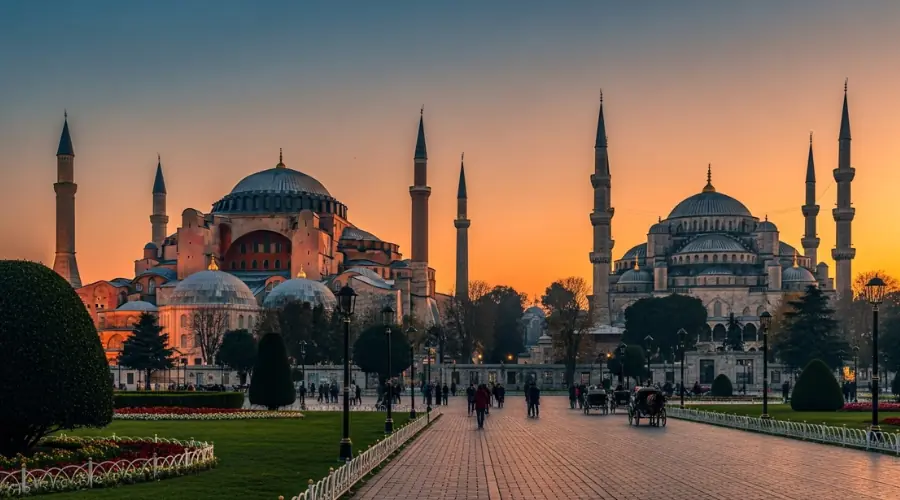
Istanbul's history is not confined to museums; it is right under your feet. When you walk in the Sultanahmet area, you are walking between these three historical layers: you see the Roman Hippodrome, enter the Byzantine Hagia Sophia, and then cross the square to enter the Ottoman Blue Mosque.
Where to stay in Istanbul?
1. Main Tourist Areas (The Beating Heart of Tourism)
- Sultanahmet District (Sultanahmet): This is the center of the "Old City" and the historical heart of Istanbul. All the main historical monuments (Hagia Sophia, Blue Mosque, Topkapi Palace, Basilica Cistern) are located in this area and are within walking distance of each other. This area is great for those who want to be in the center of history, but it is usually quieter at night and its restaurants are more expensive than other areas.
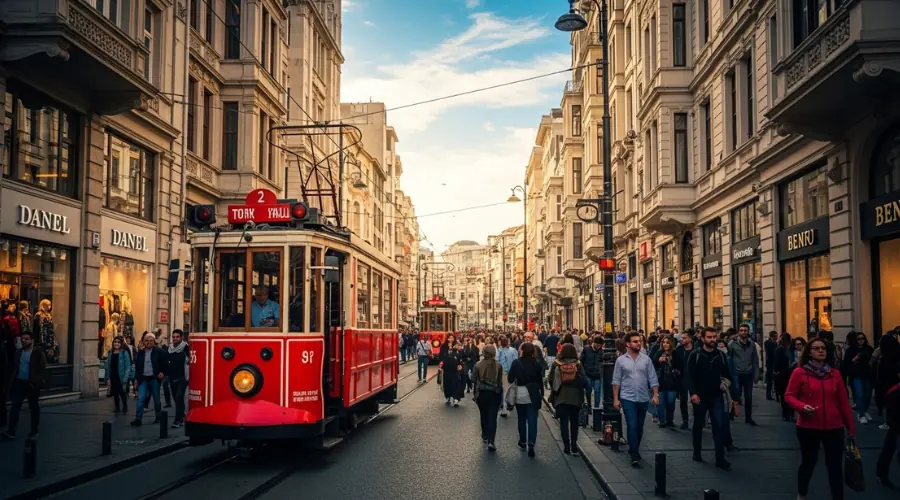
- Taksim Square (Taksim) and Istiklal Street (Beyoğlu): This area is the "modern city center" and the beating heart of Istanbul's 24/7 life. The famous Istiklal Street, which starts from Taksim Square, is the main center for shopping, cafes, restaurants, and nightlife. If you love the hustle and bustle, shopping, and easy access to everywhere, this is the best choice.
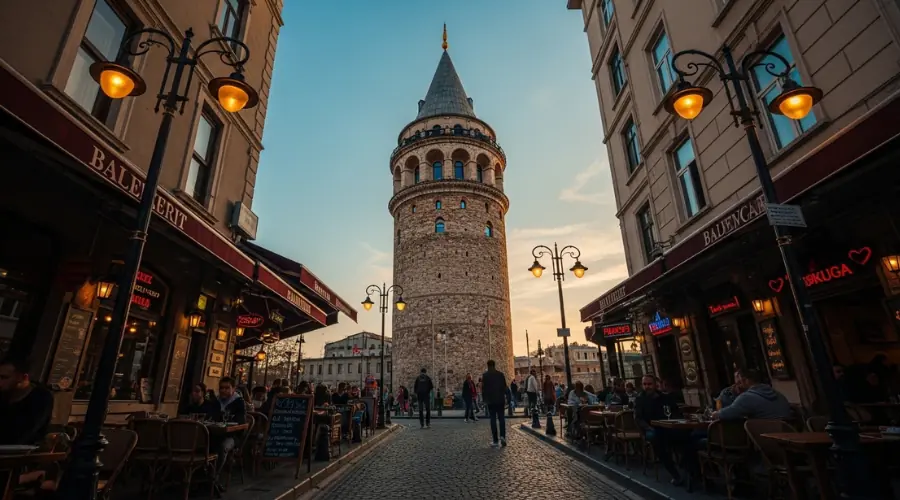
- Galata (Galata) and Karaköy (Karaköy): These two neighborhoods, located at the bottom of Istiklal Street and around the Galata Tower, have become the city's artistic and trendy hub. This place is full of local designer boutiques, trendy cafes, art galleries, and charming spots for photography.
2. Luxury and Safe Neighborhoods
- Nişantaşı (Nişantaşı): This neighborhood, often called the "Paris of Istanbul," is the city's most luxurious shopping district. Its streets host high-end global brands like Prada and Louis Vuitton, very chic cafes, and high-class restaurants. This area is very safe.
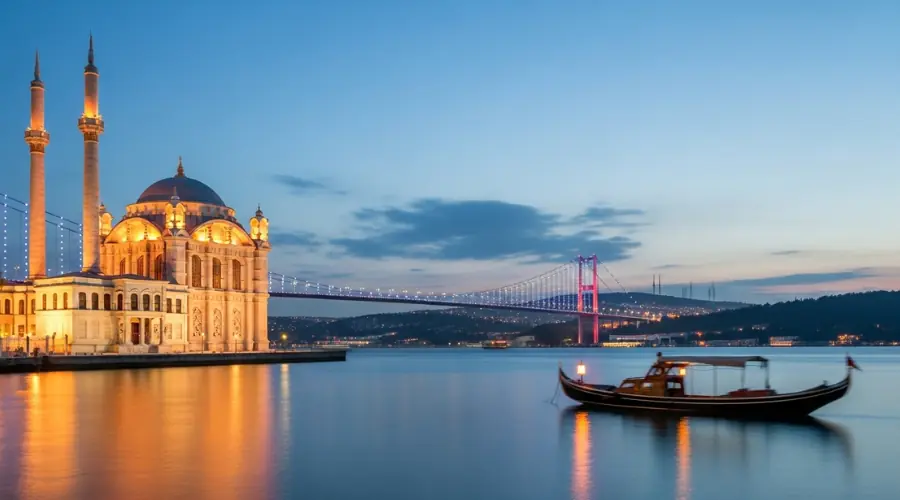
- Bebek (Bebek) and Ortaköy (Ortaköy): These neighborhoods symbolize luxurious living along the Bosphorus. Bebek is famous for its chic cafes and expensive seafood restaurants, and Ortaköy is renowned for its iconic view of the mosque and the Bosphorus bridge. Both areas are very safe and expensive.
- Maslak (Maslak) and Levent (Levent): These two areas are the modern business centers of Istanbul with tall skyscrapers. Although not touristy, they are ideal for business trips or those who prefer staying in modern apartments and having access to large shopping malls.
3. Asian Side (Experience Local Life)
- Kadıköy (Kadıköy) and Moda (Moda): These areas are located on the Asian side and are easily accessible by an enjoyable ferry ride. Kadıköy has a very energetic and completely "local" atmosphere. The adjacent Moda neighborhood is famous for its cozy cafes, independent boutiques, and long coastline. If you want to escape the tourist crowds of the European side and experience the real Istanbul, this is the best spot.
List of Essential Istanbul Attractions
Istanbul is an ocean of attractions. Here is a list of places not to be missed on a first trip:
1. Historical Masterpieces (UNESCO Heritage)
- Hagia Sophia (Hagia Sophia): A masterpiece of Byzantine architecture that was first a church, then converted into an Ottoman mosque, changed to a museum in 1935, and converted back to a mosque in 2020.
- Sultan Ahmed Mosque (Blue Mosque): This 17th-century Ottoman masterpiece was built directly opposite Hagia Sophia to rival it. It is famous for its stunning interior of more than 20,000 blue Iznik tiles.
- Topkapi Palace (Topkapi Palace): The first and largest palace of the Ottoman sultans, which was the center of government for centuries. It is a massive complex of courtyards, council chambers, kitchens, and the famous "Harem" section.
- Dolmabahçe Palace (Dolmabahce Palace): The luxurious and neo-baroque 19th-century palace built alongside the Bosphorus. This palace is much more European than Topkapi and was the residence of the last Ottoman sultans, as well as the place where Atatürk, the founder of modern Turkey, passed away.
- Basilica Cistern (Basilica Cistern / Yerebatan): A magnificent and eerie ancient underground cistern, with 336 marble columns that once supplied water to Constantinople. It is famous for its two columns resting on inverted Medusa heads.
- Galata Tower (Galata Tower): A 67-meter stone tower, originally built as a watchtower, now offering the best 360-degree panoramic view of Istanbul's historical part and the Bosphorus.
2. Shopping Centers and Bazaars
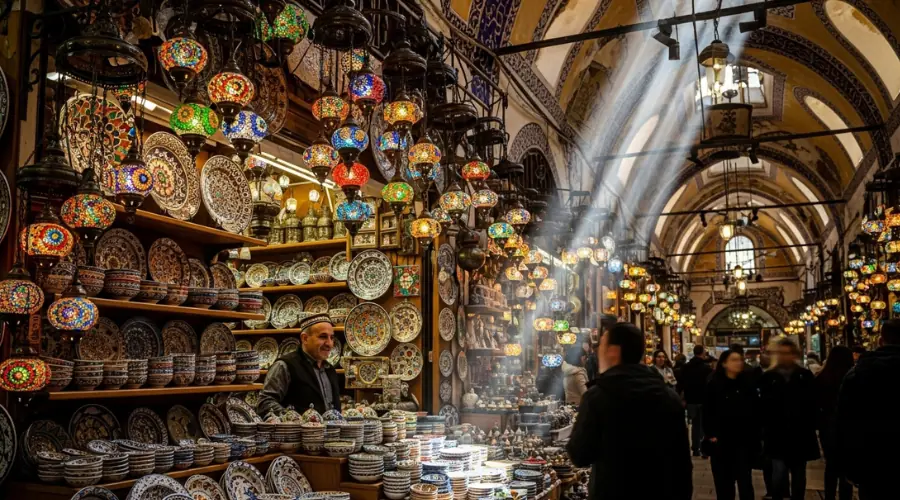
- Grand Bazaar (Grand Bazaar): One of the oldest and largest covered markets in the world, with thousands of shops selling everything from carpets and leather to jewelry and souvenirs.
- Spice Bazaar (Spice Bazaar): Located near the Eminönü pier, it's the best place to buy lokum (Turkish delight), Turkish coffee, tea, and aromatic spices.
- Forum Istanbul (Forum Istanbul): One of the largest shopping malls in Europe. This mall is more than just stores; it's an entertainment destination. It hosts the Sea Life Aquarium and the Legoland Discovery Centre.
- Mall of Istanbul (Mall of Istanbul): Another huge shopping mall famous for having MOİPark, Turkey's largest indoor theme park.
- Other Malls: İstinye Park (İstinye Park) for luxury shopping, as well as Akmerkez (Akmerkez) and Vadi Istanbul (Vadi Istanbul) are other popular options.
3. Entertainment and Activities in Istanbul
- Bosphorus Ferry Ride:
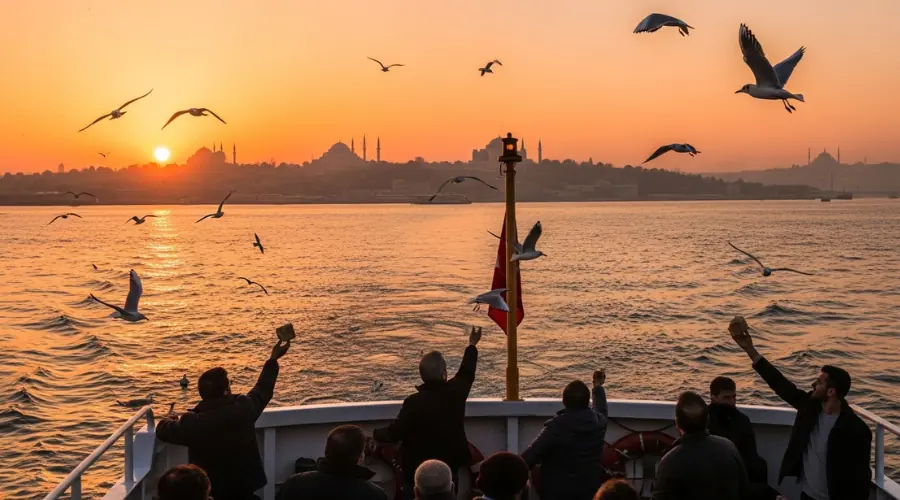
A ferry ride is one of the most popular and essential activities in Istanbul. There's no need to buy expensive cruise tours. You can use your "Istanbulkart" to board the public transport ferries (called Vapur) from the Eminönü or Karaköy piers to Kadıköy. This gives you the same enjoyable experience of crossing the Bosphorus for a very minimal cost (as much as a metro ticket).
- Vialand Theme Park (Vialand / Isfanbul): The largest and most popular theme park in Istanbul, nicknamed the "Disneyland of Turkey," with a variety of roller coasters and rides for all ages.
- Istanbul Aquarium (Istanbul Akvaryum): This aquarium is located in the Florya (Florya) district and is different from the Sea Life Aquarium in Forum Istanbul. The Florya aquarium is much larger and has a thematic visitor route based on the world's geographical regions.
- Legoland (Legoland Discovery Centre): This theme park, designed for children aged 3 to 10, is located inside Forum Istanbul and includes games, a 4D cinema, and Lego models of famous Istanbul landmarks.
- Famous Beaches: Although Istanbul is not a swimming beach city, it has good beaches. Florya Güneş Beach (Florya Güneş) on the European side and Caddebostan Beach (Caddebostan) on the Asian side are popular public beaches. Also, private beach clubs like Babylon (Babylon) and Non Stop (Non Stop) in the Kilyos (Kilyos) area on the Black Sea coast are excellent options for a full day of sunbathing and fun in the summer.
Best Season to Visit Istanbul
- Spring (April to June / April-May): Without a doubt, the best time to visit Istanbul is spring. In spring, the weather is mild and perfect, and the city is immersed in beauty, especially during the "Tulip Festival."
- Autumn (September to November / Sep-Oct): The second-best time. The weather becomes mild and pleasant again, and there's no trace of summer's heat or winter's cold.
- Summer (July and August): The weather is hot and very humid.
- Winter (December to March): The weather is cold, rainy, and sometimes snowy, but the city is less crowded, and costs are lower.
Currency and Exchange Offices
- The official currency of Turkey is the Lira (TRY).
- Golden Tip: Do not exchange all your money at the airport, as they have very bad rates. The best rates are found at private exchange offices in the city, which have a "Döviz Bürosu" (Currency Office) sign. Reputable and numerous exchange offices with competitive rates are easily found around Taksim Square and at the entrances to the Grand Bazaar.
Public Safety
Istanbul, especially in tourist areas which are under 24-hour CCTV surveillance, is considered a very safe city. The biggest risk for tourists is not violent crime, but pickpocketing and petty scams. In very crowded places like Istiklal Street, the T1 tram line, and inside the Grand Bazaar, always be mindful of your bag, mobile phone, and pockets.
Emergency Numbers
- Turkey has unified its emergency system like Europe.
- Main Number 112: By dialing this number, you can connect to ambulance, police, and fire services.
- Older numbers that are still active: Police (155), Ambulance (112), Fire (110).
- For specific tourist-related cases: 0212 5274503 (Istanbul Tourist Police).
Public Transportation; How to Get Around Istanbul on a Low Budget?
Istanbul's public transportation system is very efficient, clean, and extensive, and it's the best way to escape the city's heavy traffic.
The Master Key to Transport: Istanbulkart
- The Istanbulkart is a rechargeable electronic card that acts as your ticket for all public transportation: metro, tram, city buses, public ferries (Vapur), Metrobus, and funiculars.
- The cost of the card itself (blank and without credit) is about 70 to 85 Lira.
- Where to buy the card? Simply from the yellow automated machines called "Biletmatik" found at all metro stations, ferry piers, tram stations, and at both airports (IST and SAW).
- How to top up the card? At the same Biletmatik machines using cash (Lira banknotes only).
- Tip: One card is valid for use by multiple people (you don't need to buy one card per person). However, note that transfer discounts will only apply to the first person.
Types of Vehicles in Istanbul
- Tram (Tramvay):
- T1 Line (Bağcılar-Kabataş): This line is the "Golden Line" for tourists. It connects almost all the main attractions of the historical part such as Sultanahmet (Blue Mosque/Hagia Sophia), Grand Bazaar (Beyazıt station), Spice Bazaar (Eminönü station), Galata Bridge (Karaköy station), and the Kabataş pier (to go to Dolmabahçe).
- Metro (Metro): A fast and efficient underground train system. Excellent for longer journeys, escaping traffic, and reaching modern shopping malls and business districts.
- Ferry (Vapur): The ferry is not just a means of transport; it's also a tourist attraction. The experience of drinking tea on the deck while watching the sunset over the Bosphorus is unforgettable.
- Dolmuş (Dolmuş): These are yellow or blue 8 to 10-seater vans that operate on fixed and specific routes. Dolmuşes do not have designated stops, and you can get on or off at any point along the route. The fare is paid in cash to the driver based on the distance.
Istanbul's Airports
- 1. Istanbul New Airport (IST):
- This is the main, gigantic, and international airport of Istanbul. It is located on the European side, in the Arnavutköy (Arnavutköy) district in the north of the city.
- Access: It is connected to Taksim Square and other central points of the city via the M11 metro line and comfortable shuttle buses (called HavaIST).
- 2. Sabiha Gökçen Airport (SAW):
- The city's second airport, located on the Asian side in the Pendik (Pendik) district. This airport usually hosts low-cost flights.
- Access: It is connected to Taksim and Kadıköy via the M4 metro line (which goes to Kadıköy) and shuttle buses (Havabus).
- 3. Atatürk Airport (ATK):
- Important Warning: This airport has been closed to all passenger and cargo flights since April 2019. No more flights land there. This place is being converted into a large park.
Tastes and Culture of Istanbul
A trip to Istanbul is not complete without tasting its unique flavors and experiencing its rich culture:
1. Street Foods
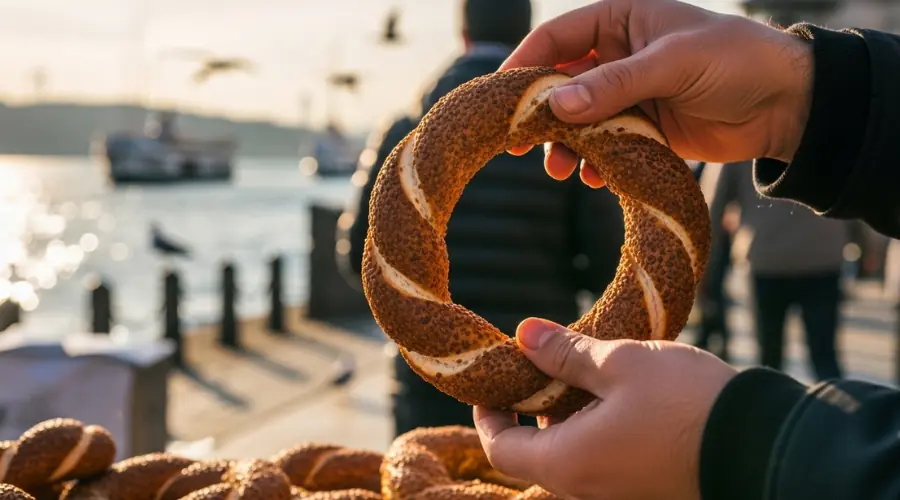
- Simit (Simit): A crispy, sesame-covered bread ring that is the symbol of quick breakfasts in Istanbul. Its best companion is a glass of Turkish tea.
- Midye Dolma (Midye Dolma): Mussels stuffed with spicy rice. This snack is usually sold on the street at night and should be eaten right there after squeezing fresh lemon on it.
- İçli Köfte (İçli Köfte): A crispy shell of bulgur filled with seasoned ground meat; an excellent snack.
- Dürüm (Dürüm): A kebab wrap (meat, chicken, or Adana kebab) rolled in thin lavash bread. Quick, cheap, and very delicious.
- Menemen (Menemen): A popular Turkish omelet made from eggs, chopped tomatoes, and green peppers, usually served for breakfast.
2. Main Dishes
- Döner Kebab (Döner Kebab): The famous Turkish kebab served as a plate or in bread.
- Adana Kebab (Adana Kebab): A spicy and juicy minced lamb kebab grilled on wide skewers.
- Şiş Kebab (Şiş Kebab): Skewered meat cubes (lamb) or chicken kebab (Tavuk Şiş) made from marinated pieces of meat.
- İskender Kebab (İskender Kebab): One of the most delicious dishes; consists of thin slices of döner on a layer of pita bread, covered with hot tomato sauce and melted butter, and served with strained yogurt on the side.
3. Culture and Customs
- Hospitality: Turkish people are extremely hospitable, family-oriented, and social. If a vendor in a market like the Grand Bazaar or Spice Bazaar offers you tea or coffee, accept it. This is part of the culture of hospitality and, of course, the sales process. Accepting it is a sign of politeness, but it doesn't oblige you to buy.
- Coffee Culture: Turkish coffee is more than just a drink; it's a social ritual. Fortune-telling with coffee grounds is also an entertaining part of this culture.
4. Istanbul Souvenirs
- Best Edibles:
- Turkish Coffee (Türk Kahvesi): The best souvenir is buying freshly ground coffee along with a traditional copper coffee pot called a "Cezve" (Cezve).
- Lokum (Lokum): The same Turkish delight with amazing flavors (pistachio, rose, pomegranate).
- Baklava (Baklava): Buying fresh, packaged baklava from reputable brands.
- Spices: Sumac, paprika, and dried mint from the Spice Bazaar.
- Handicrafts:
- Iznik ceramics (tiles and dishes with the famous blue designs), "evil eye" talismans (nazar boncuğu), and high-quality leather products.
Istanbul is a city full of contrasts and wonders. A city that is both ancient and modern, both Asian and European, both calm and chaotic. In its streets, you can see old minarets and glass towers at the same time, and find modern shopping malls next to traditional bazaars. Every corner has a story to tell, and every street offers a new experience. Istanbul cannot just be seen; you must walk its alleys and streets, hear the voices of its people, smell the aroma of its foods and coffeehouses, and experience its colors and life.