



If you intend to invest, preserve capital, or obtain Turkish citizenship, transferring the property title deed is the most critical stage of your journey. Unlike in many other countries, Notaries in Turkey do not transfer title deeds; the only legal authority is the Land Registry Office (Tapu Müdürlüğü). In this guide, we have stripped away the legal complexities to tell you, in simple terms, exactly what steps you need to take from the moment you choose a property to the moment you receive the keys.
Step 1: Understanding Title Deeds (What are you buying?)
Before taking any action, you must know the validity of the deed the seller shows you. In Turkey, deeds or "Tapu" come in various types, but as a foreign buyer, you should focus on two types:
1. Kat İrtifakı (Construction Servitude) – The "Halfway" Deed
This deed means you are buying a "share of the land," and the building has not yet received its final completion certificate. Buying and selling these properties is legal, but banks are less likely to grant loans for them. You usually encounter this deed in pre-construction (off-plan) projects.
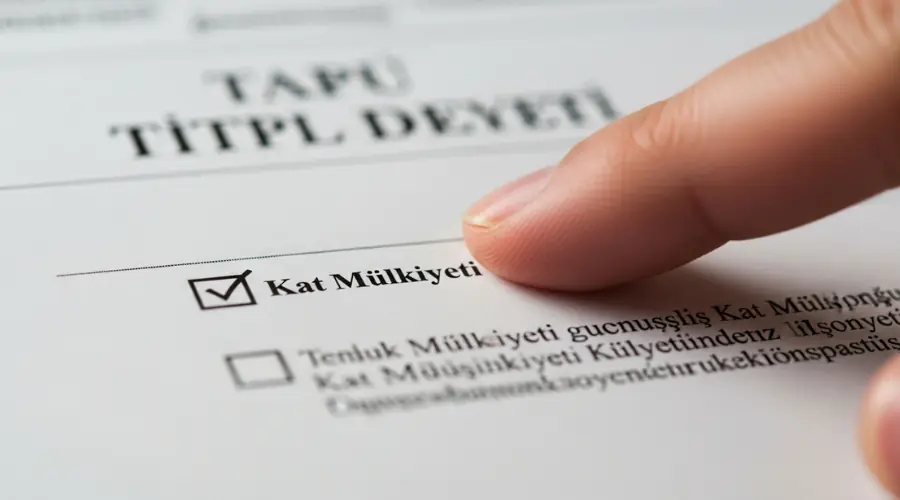
2. Kat Mülkiyeti (Condominium Ownership) – The Gold Standard
This is the best and most secure type of deed. Having this deed means the building is completed, approved by the municipality, meets earthquake standards, and has no debts to the government. If you are buying property in Turkey for the first time, we recommend buying a property with a "Kat Mülkiyeti" deed to be safe from technical and municipal issues.
Step 2: Due Diligence Before Payment
Never pay any money before conducting inquiries. Initially, you must check two vital documents:
1. Title Search Report (Takyidat)
The paper deed might be old. The Takyidat report shows the "real-time" status of the property. You must check that the property does not have the following:
- İpotek (Mortgage): Meaning the property is mortgaged to a bank or another person.
- Haciz (Lien/Seizure): Meaning the property has been seized due to debt.
- Usufruct Right (Intifa Hakkı): Meaning the deed is in your name, but someone else has the right to live in that house for life, and you cannot evict them!
2. Appraisal Report (Ekspertiz) – Mandatory for Foreigners
An official government-sworn appraiser must visit and value the property. The Immigration Authority does not care about the price you agreed upon with the seller; they look at the figure written in this appraisal report.
Step 3: Navigating Banking Regulations (DAB Law)
Under new regulations, you cannot pay dollars or euros directly to the seller. This stage is slightly different for foreigners:
- Selling Currency to the Bank: You must take your foreign currency to a bank in Turkey. The bank sells it to the Central Bank and prepares the equivalent in Lira.
- Receiving the DAB Document: The bank gives you a receipt called "Döviz Alım Belgesi" (DAB).
- Vital Importance: Without presenting the original DAB document to the Land Registry Office, transferring the deed is impossible. The amount written on the house deed will be exactly the Lira amount recorded in the DAB document.
Secure Your Money with the "Tapu Takas" System:
For peace of mind, use the government's Tapu Takas system. This system acts as a secure escrow: your money is blocked in a bank account and is transferred to the seller's account only at the exact moment the deed is transferred to your name.
Step 4: Online Application via WebTapu
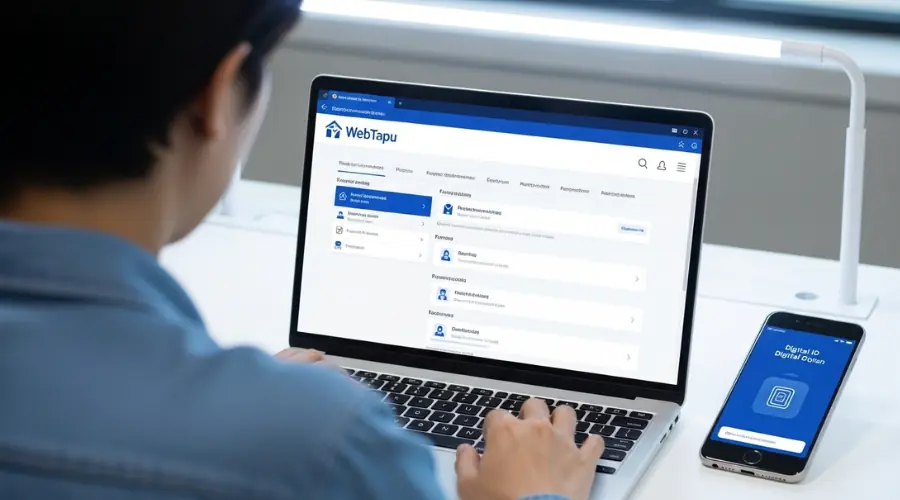
Today, old paperwork has been eliminated, and everything is done through the WebTapu system.
- Starting the Application: The property owner enters the portal and registers a request for "Sale to a Foreigner."
- Uploading Documents: Your documents (translated passport, biometric photo, appraisal report, and DAB document) are uploaded to the site.
- Appointment Setting: After the documents are reviewed by Tapu officials, you will receive an SMS containing the appointment time and tax payment code.
Step 5: Costs to Pay for Deed Transfer
Before going to the Land Registry Office, you must pay the following costs (Rates are approximate based on 2025):
| Cost Item | Amount / Percentage | Explanation |
|---|---|---|
| Transfer Tax (Tapu Harcı) | 4% of Property Value | Legally split 50-50, but customarily paid entirely by the buyer. |
| Revolving Fund (Döner Sermaye) | Approx. 3,000 TL | Government administrative fees. |
| Appraisal Report | 3,000 to 6,000 TL | Official appraiser fee. |
| Sworn Translator | 1,000 to 2,000 TL | Mandatory presence at the Tapu office. |
| Earthquake Insurance (DASK) | 500 to 1,500 TL | Mandatory for deed transfer. |
Step 6: Signing Day (The Transfer Moment)
On the designated day and time, you go to the Land Registry Office with your original passport and payment receipts.
- Role of the Sworn Translator: Since you are a foreigner, a sworn translator must legally be present. They read the deed terms to you, confirm the property has no debts, and you sign with full awareness.
- Receiving the Deed: After signing, the new single-page title deed with your photo and details is issued and handed to you.
Step 7: Essential Post-Transfer Tasks
To avoid fines, do these 3 things immediately:
- Municipality: Go to the local municipality and fill out the "Property Tax Declaration" form (Deadline: By the end of the same calendar year).
- Utilities: Transfer water, electricity, and gas subscriptions to your name using the new deed (Gas deposit fee in 2025 is approx. 3,200 TL).
- Address Registration: Go to the Population Directorate (Nüfus) and register your address (Mandatory for obtaining residence permits).
3 Major Traps for Foreign Investors
- The "Low Price" Trap: The seller may ask you to declare a lower price on the deed to save on taxes; never accept this proposal! If the deed price is less than $400,000 (for citizenship) or $200,000 (for residence), your immigration file will be rejected. Also, when selling the property in the future, you will have to pay heavy taxes (up to 35% on capital gains).
- The "Prohibited Zones" Trap: Over 1,000 neighborhoods in Turkey (especially in Istanbul and Antalya) have been declared "Closed Zones." Buying a house in these areas will absolutely not lead to a residence permit, even if it costs $500,000. Check the neighborhood list before buying.
- The "Tenant" Trap: Turkish laws strongly favor the tenant. If you buy a house with a tenant, evicting them may take years. Ensure you receive the house "vacant" or have a notarized eviction agreement.

Final Words
Buying property in Turkey means navigating a precise legal and financial path. While new regulatory changes may seem strict, they ultimately benefit your capital security. To win in this market and avoid legal traps, always remember the following "Golden Triangle" in title deed transfer:
- Legal Security: Insist on buying property with a "Kat Mülkiyeti" deed.
- Financial Transparency: Execute the DAB (Currency Purchase Certificate) process meticulously and use the secure Tapu Takas system.
- Real Valuation: Ensure the appraised value of the property fully aligns with your immigration goals (Citizenship or Residence).